
Ever taken your kitchen trash can outside for a backyard party, only to watch it crack, tip over, or fall apart a few weeks later? You’re not alone. Many people assume all trash cans work the same way, but Indoor vs Outdoor Trash Cans: What’s the Difference? The answer comes down to more than appearance. Outdoor bins are built to handle weather, pests, and rougher use, while indoor cans focus on convenience, cleanliness, and fitting neatly into your home.
If you’ve ever wondered why hardware stores dedicate an entire aisle to trash cans, there’s a good reason. Choosing the wrong bin can lead to unpleasant odors, damaged containers, and wasted money. In this guide, we’ll explain the key differences in simple terms, helping you choose the right trash can for every space.

Why the Indoor vs Outdoor Trash Cans Debate Even Matters
At first glance, a trash can is a trash can, right? A bucket with a lid that holds garbage. But anyone who’s actually lived with the wrong one knows better. The whole indoor vs outdoor trash cans conversation exists because these bins face two completely different environments.
Indoor trash cans live in climate-controlled rooms, tucked under sinks or beside desks, shielded from rain, sun, and curious raccoons. Outdoor trash cans, on the other hand, battle the elements daily — scorching sun, pouring rain, freezing temperatures, and wildlife that would love nothing more than a free meal. That’s the heart of the indoor vs outdoor trash cans distinction, and it shapes everything from materials to price to design.
Material Matters: How Indoor and Outdoor Trash Cans Are Built Differently
One of the clearest ways to understand indoor vs outdoor trash cans is to look at what they’re made of.
Indoor trash cans are typically built from:
- Lightweight plastic
- Stainless steel (a favorite for kitchen trash cans thanks to its sleek look)
- Woven or fabric materials for bathrooms and bedrooms
These materials are chosen for style and ease of cleaning rather than weather resistance, since indoor trash cans never have to deal with rain or UV rays.
Outdoor trash cans, meanwhile, are engineered for punishment:
- Heavy-duty, UV-resistant plastic that won’t crack or fade in the sun
- Galvanized steel for extra durability against dents and rust
- Reinforced lids and locking mechanisms to keep pests out
This is really the crux of the indoor vs outdoor trash cans conversation — one is designed for comfort and convenience, the other for survival against the elements.
Odor Control: A Key Difference Between Indoor and Outdoor Bins
Here’s something people don’t always think about when comparing indoor vs outdoor trash cans: how each one handles smell.
Indoor trash cans, especially kitchen trash cans, need tight-sealing lids and sometimes built-in charcoal filters because odors have nowhere to escape in an enclosed room. Nobody wants their living room smelling like last night’s dinner.
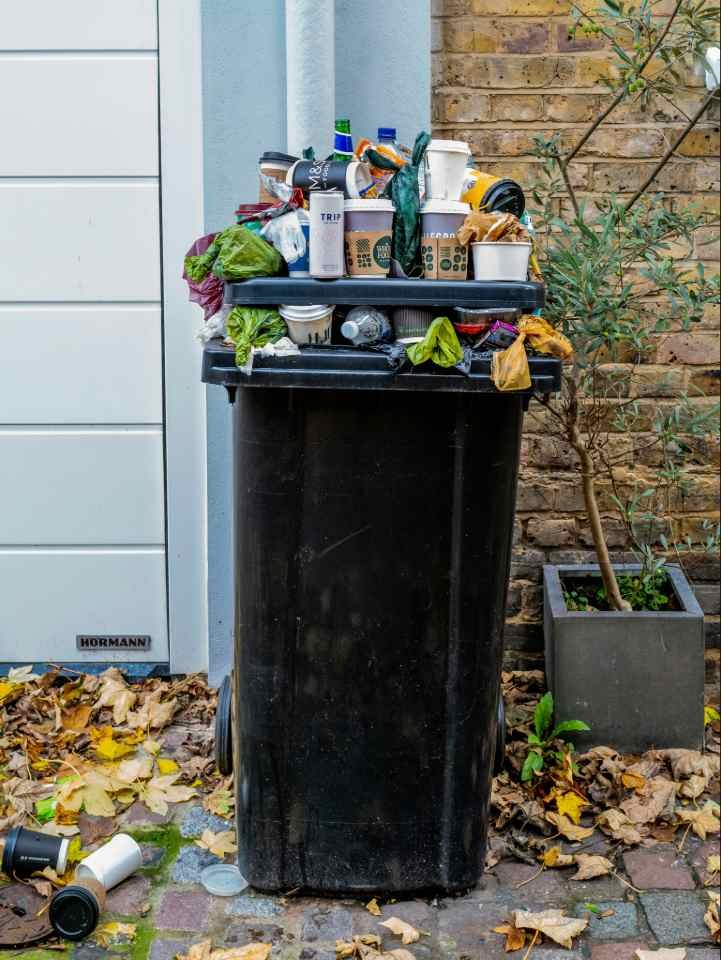
Outdoor trash cans have a bit more breathing room — literally. Because they sit in open air, smells dissipate more easily. However, that doesn’t mean outdoor bins get a free pass. In fact, outdoor trash cans often need stronger odor and pest control because rotting food attracts flies, raccoons, and other unwanted visitors far more aggressively outside than in.
This odor factor is one of the more overlooked parts of the indoor vs outdoor trash cans discussion, but if you’ve ever dealt with a stinky garage bin in July, you know it’s a big deal.
Capacity and Size: Another Piece of the Indoor vs Outdoor Trash Cans Puzzle
Size is another area where indoor and outdoor trash cans go in very different directions.
Indoor trash cans tend to be modest in size — think 8 to 13 gallons for a kitchen, or just 2 to 4 gallons for a bathroom. They’re designed to be emptied frequently and to fit neatly into tight spaces like under a sink or beside a desk.
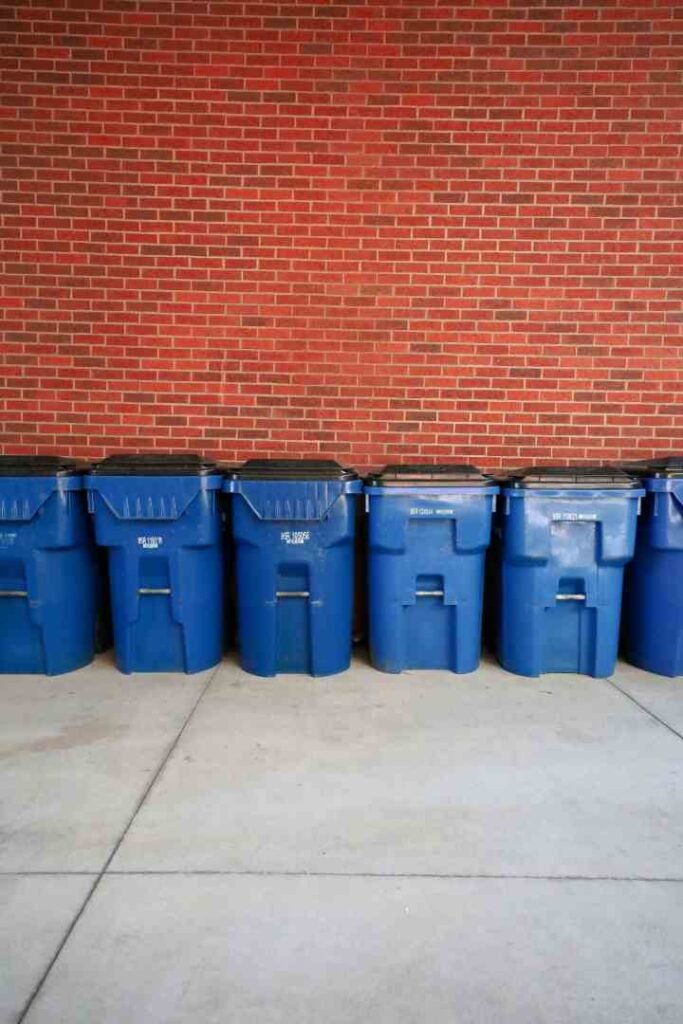
Outdoor trash cans, by contrast, are built to hold a lot more. Curbside bins often range from 32 to 96 gallons, since they’re usually emptied just once a week by your local sanitation service. This size gap is a practical, everyday reminder of the indoor vs outdoor trash cans divide — one prioritizes frequent, small disposals, and the other prioritizes bulk storage.
Pest and Wildlife Resistance
If there’s one category where outdoor trash cans absolutely have to outperform their indoor counterparts, it’s pest resistance. This is a huge factor in the indoor vs outdoor trash cans comparison that many first-time buyers overlook.
Indoor bins rarely need to worry about anything more than the occasional fruit fly. Outdoor bins, though, are prime targets for raccoons, rats, stray animals, and insects. That’s why the best outdoor trash cans come with:
- Locking or clamp-style lids
- Reinforced, chew-resistant materials
- Wheels for stability and easy transport to the curb
None of this is really necessary for an indoor trash can, which is yet another reason the indoor vs outdoor trash cans debate isn’t just about looks — it’s about function.
Style and Aesthetic Considerations
Let’s be honest: looks matter too. When people think about indoor vs outdoor trash cans from a design standpoint, indoor bins usually win the beauty contest. A stainless steel trash can or a chic woven bathroom bin is meant to blend into your home’s interior design.
Outdoor trash cans are far more utilitarian. Nobody expects a curbside garbage bin to look like a designer piece — it just needs to survive the driveway, the weather, and the neighborhood wildlife. That said, more homeowners are now investing in stylish outdoor bins for patios and decks, proving that the line in the indoor vs outdoor trash cans world isn’t always as rigid as it used to be.
Price Differences You Should Know About
Cost is often the deciding factor for many shoppers weighing indoor vs outdoor trash cans, and the price gap can be significant.
Indoor trash cans, particularly basic plastic models, can be found for under $20. Even premium stainless steel or smart sensor kitchen trash cans typically top out around $150–$200.
Outdoor trash cans, especially heavy-duty, animal-resistant, or large-capacity models, can range from $50 for a basic bin to $300+ for commercial-grade or wildlife-proof designs. When you factor in durability requirements, it’s easy to see why the indoor vs outdoor trash cans price comparison isn’t always a fair, apples-to-apples fight.

Can You Use an Indoor Trash Can Outside (or Vice Versa)?
This is one of the most common questions people ask when researching indoor vs outdoor trash cans. Technically, yes, you can use either one in the “wrong” setting temporarily. But it’s rarely a good long-term solution.
Using an indoor trash can outdoors exposes it to UV rays and moisture it was never built for, leading to cracking, fading, and a shortened lifespan. Using an outdoor trash can indoors, meanwhile, often means dealing with a bulkier, less attractive bin than you’d want sitting in your kitchen or living room.
The takeaway from this part of the indoor vs outdoor trash cans conversation is simple: use the right tool for the right job, and your bin will last a lot longer.
Quick Comparison Table: Indoor vs Outdoor Trash Cans
| Feature | Indoor Trash Cans | Outdoor Trash Cans |
|---|---|---|
| Material | Plastic, stainless steel, fabric | Galvanized steel, UV-resistant plastic |
| Size | 2–13 gallons | 32–96 gallons |
| Odor control | Sealed lids, charcoal filters | Ventilation, pest-proof lids |
| Pest resistance | Minimal needed | Essential (locking lids, wheels) |
| Style priority | High | Moderate to low |
| Typical price | $15–$200 | $50–$300+ |
Frequently Asked Questions About Indoor vs Outdoor Trash Cans.
Is it worth buying separate indoor and outdoor trash cans? Yes. Because the indoor vs outdoor trash cans divide comes down to different materials, sizes, and pest-resistance needs, buying one bin for each purpose almost always pays off in the long run.
What’s the biggest mistake people make in the indoor vs outdoor trash cans decision? The most common mistake is assuming one bin can do both jobs well. A cheap indoor can won’t survive months outside, and a bulky outdoor can rarely fits (or looks right) in a kitchen.
Do smart, sensor-based trash cans fit into the indoor vs outdoor trash cans conversation? Mostly on the indoor side. Touchless, motion-sensor bins are a popular upgrade for kitchens, but they’re less common outdoors since exposure to rain and dust can damage the electronics.
Final Thoughts on Indoor vs Outdoor Trash Cans.
At the end of the day, the indoor vs outdoor trash cans discussion boils down to one simple idea: each bin is built for its environment. Indoor trash cans are all about hygiene, style, and convenience in a controlled space. Outdoor trash cans are all about toughness, capacity, and standing up to whatever nature throws at them.
So, the next time you’re shopping for a trash can and can’t decide between the two, remember what you’ve learned here. Whether you need a sleek stainless steel kitchen bin or a rugged, animal-resistant container for your backyard, understanding Indoor vs Outdoor Trash Cans: What’s the Difference? can help you make a smarter choice. Pick the right bin for the right environment, and you’ll enjoy better durability, fewer hassles, and a trash can that actually stands the test of time.


